.png)
Nike's "Winning Is Not for Everyone," released on July 4 as a pre-Olympic campaign, is a masterclass in using psychological tension as a brand storytelling device. By leaning into fear of failure, the exclusivity of elite achievement, and Willem Dafoe's deeply unsettling narration, Nike produced an ad that divided viewers and dominated conversation, which was precisely the point. This analysis breaks down the psychological mechanisms behind the campaign, why Dafoe was the definitive casting choice, and what brands can learn from Nike's willingness to make audiences uncomfortable in the service of an unforgettable message.
The Psychology Behind the Ad
Nike has long been admired for its ability to tell gripping stories that captivate audiences. "Winning Is Not for Everyone" stands out even within that tradition for its bold, deliberate use of psychological discomfort as a creative tool.
The dramatic undertones are immediate. A montage of powerful athletic performances, a throbbing, spine-seizing score, and Dafoe's narration delivered in a deep, eerie, and unsettling tone create a specific emotional cocktail: urgency, unease, and something that feels almost like a warning. The YouTube comments section underscores the reaction: many criticised it, yet accepted that it delivers a ruthless, unfiltered message about what winning actually demands.
What Nike has done with precision is appeal to our natural dread of failing. By emphasising the hardships, disappointments, and hostility embedded in the pursuit of excellence, the ad makes the journey feel brutal, and then implicitly positions Nike as the brand that exists for the people who pursue it anyway.
Why Fear and Exclusivity Work Together in This Campaign
Two psychological levers drive the ad's impact: fear-mongering and exclusivity, and they reinforce each other.
The fear-mongering technique creates a sense of urgency, the feeling that viewers are about to miss something remarkable, or that the window for greatness is narrow and closing. This is not accidental. It's a studied application of loss aversion, the well-documented tendency for people to be more motivated by the fear of losing something than by the prospect of gaining something equivalent.
The exclusivity theme amplifies this. "Winning is not for everyone" implies that success is a privilege available only to a chosen few, and by extension, that Nike belongs to that elite. This appeal to exclusivity works powerfully to increase both desire and brand loyalty: it tells the audience that choosing Nike is itself a statement about who they are and what they're willing to endure.
The athletes featured- LeBron James, Cristiano Ronaldo, and others who represent the absolute top percentile of their disciplines- make this concrete. They aren't aspirational in the soft sense. They represent the phantom of success that most people will never touch, and the hardcore, unglamorous journey that got them there. Nike isn't selling comfort. It's selling membership in something most people won't qualify for.
Willem Dafoe's cackles and his "I-do-not-give-a-damn" delivery crystallise this die-hard mentality, embracing hostility from opponents rather than shrinking from it.
Why Willem Dafoe Was the Definitive Choice
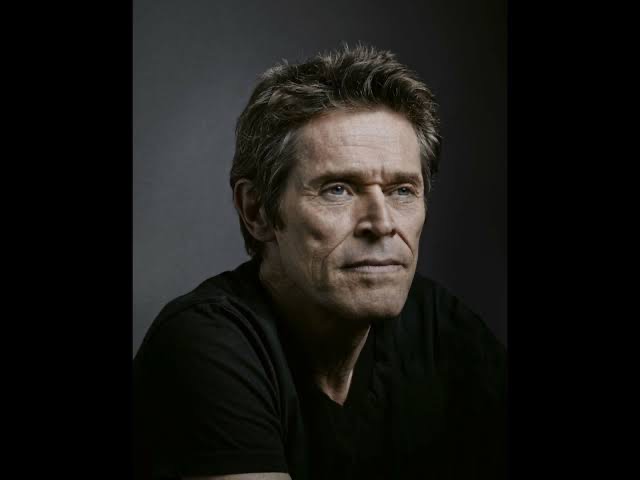
Dafoe is the perfect casting decision for this campaign, and the reasons go beyond his recognisable voice.
His screen persona, built through roles in films like Spider-Man (as the Green Goblin) and across his extensive villain filmography, carries associations of intelligence, menace, and a kind of gleeful disregard for conventional moral limits. That persona doesn't need to be explained to the audience. It arrives pre-loaded.
The raw force and authority of his voice drew in the audience and left them intrigued and uneasy simultaneously. A conventional narrator would have described the difficulty of elite achievement. Dafoe made the audience feel it as something threatening, exclusive, and slightly dangerous. That tonal shift is what elevates the ad from inspirational to unforgettable.
What Other Brands Can Learn From This
The psychological concepts underlying this campaign have applications well beyond sportswear. Brands like Monster Energy, Fearless, and other high-octane labels could apply the same framework: use your advertising to create a sense of urgency around belonging to a specific tribe, imply that the tribe has standards, and let the discomfort of that implication do the persuasion work.
The same principles translate beyond marketing. A presenter in a high-stakes meeting can use the threat of inaction to focus attention, then combine that urgency with an exclusivity message, framing participants as the elite group capable of acting on it, to drive more engaged and valuable contributions.
"Winning Is Not for Everyone" is a brilliant example of producing a strong emotional message that strikes a deep chord by appealing to primal needs and fears. Together with Dafoe's casting, the emotional undertones create an experience that doesn't fade, which is precisely what Nike intended.
FAQ
What is the Nike "Winning Is Not for Everyone" campaign about?
It's a pre-Olympic brand campaign released on July 4, narrated by Willem Dafoe, that leans deliberately into the darker psychological realities of elite achievement, fear of failure, the hostility of competition, and the exclusivity of genuine success. Rather than inspiring through positivity, Nike used discomfort and psychological tension to create an ad that audiences found difficult to ignore and even harder to forget.
Why did Nike use Willem Dafoe for this ad?
Because Dafoe's screen persona, built through iconic villain roles including the Green Goblin in Spider-Man carries pre-existing associations of menace, intelligence, and unsettling authority that arrive without needing to be established. His voice alone shifts the emotional register of the narration from motivational to something closer to a warning, which is exactly the tone the campaign required.
What psychological techniques does the Nike ad use?
Two primary techniques: fear-mongering (creating urgency by emphasising the brutal realities of failure and the narrow window for greatness, which activates loss aversion) and exclusivity framing (implying that winning, and by extension Nike, is reserved for a specific elite, which increases desire and brand loyalty among those who identify with that group). The two reinforce each other: the fear makes the exclusivity feel real, and the exclusivity makes the fear feel worth confronting.
Why did the ad provoke criticism alongside its success?
Because it deliberately avoided the inspirational comfort most audiences expect from sportswear advertising. Many viewers found the tone unsettling, the message ruthless, and Dafoe's narration genuinely disturbing. But Nike understood that controversy and memorability are closely related, the YouTube comments section became a secondary performance of the ad's impact, with critics who nonetheless acknowledged the power of the message effectively amplifying it further.
What can other brands learn from this Nike campaign?
That emotional discomfort, used with precision, can be more memorable than positivity, particularly for brands whose identity is built around performance, resilience, or exclusivity. The campaign demonstrates that psychological tension (fear of failure, the scarcity of belonging to an elite) drives engagement when the brand has earned the authority to make that claim credibly. Brands in high-octane, achievement-oriented categories can apply the same principles: build urgency through loss aversion, frame your brand as exclusive rather than universally accessible, and cast voices that carry the weight of the message before they speak a word.













.png)



.png)


.png)




.png)