.png)
Augmented reality (AR) storytelling is the use of digital overlays, images, animations, and interactive elements placed on top of the real world through a smartphone or tablet to bring brand narratives to life as lived experiences rather than passive content. Brands are using it across social media filters, interactive packaging, virtual try-ons, experiential events, and in-store activations to drive higher engagement, build stronger emotional connections, and make their stories genuinely memorable. This article explains what AR is and how it differs from VR, the specific benefits it offers for branding and marketing, practical applications across different brand types, and how to build an authentic AR strategy, not just a novel one.
You have just three seconds to grab a potential buyer's attention. The real challenge isn't just getting them to look, it's getting them to feel something. You've probably tried emotional hooks, clever storytelling, and striking visuals. But if the results still fall flat, it might be time to move beyond emotion alone.
This is where AR storytelling steps in. The era of passive marketing is over; the age of active, immersive engagement has begun. AR isn't just another trend, it's a powerful tool for crafting soulful, memorable brand experiences by inviting consumers to step inside your narrative.

Read More: Creative Strategy Tips For Small Businesses: Turning Attention Into Action
What is AR in simple terms?
Augmented reality is technology that overlays digital elements, images, animations, or information onto the real world, typically through a smartphone camera, tablet, or smart glasses. Think Snapchat filters, interactive product try-ons, or immersive museum exhibits.
The key difference from virtual reality (VR) is that AR enhances what's already around the user, while VR replaces it entirely with a simulated digital environment (usually requiring a headset). AR keeps users connected to their own environment, making the experience feel more personal, immediate, and authentic, which is precisely why it's more accessible and more powerful for everyday branding.
Augmented vs. Virtual Reality: While VR (virtual reality) takes users into a completely digital environment, AR enhances what’s already around them. This makes it more accessible and more powerful for branding, since it doesn’t pull people away from reality but enriches it.
For marketers, AR is the perfect tool to bring stories to life in everyday environments where customers already are. It keeps the user connected to their own environment, making the experience feel more personal, immediate, and authentic.
Read More: 3 Free CGI Tools + Where To Learn
What Are TheBenefits of AR in Branding and Marketing
The key benefits of AR in branding and marketing are higher engagement, stronger emotional connections, and increased customer loyalty, achieved by inviting people to participate in your brand story rather than passively watch it. Brands like Nike and Pepsi use AR to turn ads into interactive experiences; beauty and fashion brands use it to let customers try products virtually before buying.
The advantages of interactive AR in marketing include:
- Immersive campaigns: turning ads into experiences audiences actively choose to engage with.
- Product try-ons: giving customers the confidence to purchase with virtual fitting rooms and previews.
- Interactive experiences: AR games, pop-up events, and activations that build genuine excitement around products.
The power of AR lies in this shift from spectator to participant; when your audience steps into your story, your brand becomes a memory rather than a message.
Read More: Budget-Friendly Video Production For UK and Nigerian Small Businesses
How Does AR Work as a Tool for Digital Storytelling?
AR works as a digital storytelling tool by transforming static images and objects into living narratives, allowing audiences to experience a brand story unfolding in their own space, rather than watching it happen on a screen.
Great storytelling has always been about connection, brands telling stories with their audience, not to them. AR takes this further by turning digital storytelling tools like video and animation into fully immersive brand narratives. Imagine watching a brand story unfold on your phone as the product appears in your living room, or walking into a store where digital layers guide you through a personalised journey. This is AR brand storytelling in practice: making the audience feel like they're part of the story, not just spectators. The message becomes more memorable because it's experienced, not observed.
Read More: Storytelling; The Heartbeat Of Brand Campaigns
What Are The Applications of AR in Branding and Marketing?
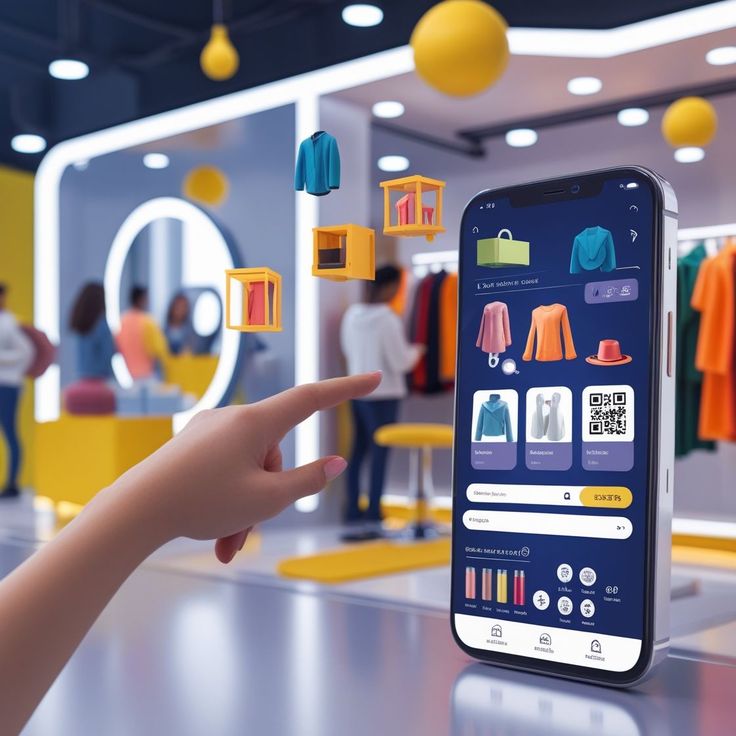
Here are a few practical applications of AR in branding and marketing:
- Social Media Filters: build fun, shareable AR filters that put your brand in everyday conversations.
- Interactive Packaging: use QR codes or AR-enabled packaging to unlock videos, games, or brand stories.
- Virtual Try-Ons: give customers the confidence to choose with AR fitting rooms and product previews.
- Experiential Events: create immersive brand events powered by AR to deepen customer engagement.
When used strategically, AR becomes less about novelty and more about building soulful experiences that align with your brand values.
How Do You Build A Soulful Brand Experiences with AR
You build a soulful AR brand experience by connecting the technology to your values rather than deploying it as a gimmick, using AR to amplify your mission for purpose-driven brands, to immerse customers in aspirational scenarios for lifestyle brands, and as a creative playground for brands whose identity is built on innovation.
The most impactful brands today don't just market products, they design experiences that connect with people's emotions. AR gives you the ability to bring your values to life in ways your audience can see, touch, and feel. When your AR strategy is authentic, your audience doesn't just engage with your content, they carry it with them as a memory. That's what makes a soulful brand experience: not the technology itself, but how meaningfully you use it.
FAQ
What is AR storytelling in marketing?
AR storytelling is the use of augmented reality technology to bring brand narratives to life as interactive, immersive experiences, overlaying digital elements like animations, videos, and interactive objects onto the real world through a smartphone or tablet. Rather than passively watching a brand story, the audience steps inside it, making the experience more memorable and emotionally resonant.
What is the difference between AR and VR in branding?
AR (augmented reality) enhances the user's real-world environment by overlaying digital content on top of it, no headset required, just a smartphone camera. VR (virtual reality) replaces the real world entirely with a simulated environment, usually requiring a headset. For branding, AR is more accessible because it works on devices people already own, and more authentic because it keeps users connected to their own space.
Which brands are using AR in marketing?
Nike and Pepsi have used AR to turn traditional ads into interactive experiences. Beauty and fashion brands including L'Oréal and ASOS use virtual try-on AR to let customers preview products before purchasing. Museums and heritage organisations use AR to bring historical scenes to life for visitors. The applications span product, retail, entertainment, and experiential marketing.
What are the best ways for a brand to use AR without a big budget?
Social media filters are the most accessible and cost-effective starting point, platforms like Instagram and Snapchat have tools that allow brands to create and distribute AR filters without large technical teams. Interactive packaging using QR codes is another affordable entry point, unlocking AR content at the point of purchase. Both approaches can be executed at relatively low cost while delivering genuinely immersive audience experiences.
How does AR improve customer engagement compared to traditional marketing?
AR shifts the audience from passive viewer to active participant, they're no longer watching a brand story, they're inside it. This participation creates stronger emotional connections, longer time spent with the brand, and greater likelihood of sharing the experience with others. Research consistently shows that interactive content generates significantly higher engagement rates than static equivalents, and the memory formed through active participation lasts longer than one formed through observation alone.
Is AR only for large brands, or can small businesses use it too?
AR is increasingly accessible for small businesses. Social media filter tools, QR-code-triggered AR experiences, and no-code AR platforms have significantly lowered the technical barrier. Small businesses can use AR for product previews, event activations, and branded social filters without enterprise-level budgets. The most important factor isn't budget, it's having a clear story to tell and using the technology to serve that story authentically.
Augmented reality isn’t just another trend. It’s the future of branding, marketing, and digital storytelling. By blending technology with authenticity, AR helps brands create immersive and meaningful connections that go beyond the screen.
If you want to learn more about how to design creative, soulful brand experiences, download CHILD’s free e-book on Creative Brand Strategy. It’s packed with practical tools and insights to help you tell stories that truly resonate.
Ready to build a brand that goes beyond surface-level connections?
Start a project with us here or send us a DM at: hello@childcreativestudio.com for a deeper dive into the right creative strategy and approach for your brand!























.png)



.png)






.png)

.png)