Before designing a website, you need five things in place: a clear brand identity (logo, colours, fonts, and tone), a defined target audience and primary website goal, your content including copy and images, a list of functional requirements and must-have features, and your SEO and analytics foundations. Without these, even the most visually polished website will struggle to convert visitors into enquiries or bookings.
You share your website link, people click, and then nothing. No enquiry. No booking. And you're left wondering if it's your pricing, your marketing, or just bad luck.
Here's what it usually is: your website isn't doing its job. Not because it looks bad, but somewhere between the homepage and the contact page, your audience loses the connection and leaves.
As a creative studio, we've worked on websites across different industries. The projects that go smoothly, finish on time, and actually convert visitors into clients? They almost always have one thing in common: the business owner came prepared. The projects that stall, run over budget, and go through endless revisions? They started without the right foundations.
This isn't about making your life harder before we've even started. When you come with these five non-negotiables in place, you get a better website, a faster turnaround, and a design that actually works, not just one that looks good on a screen.
1. What Brand Identity Do You Need Before Designing a Website?
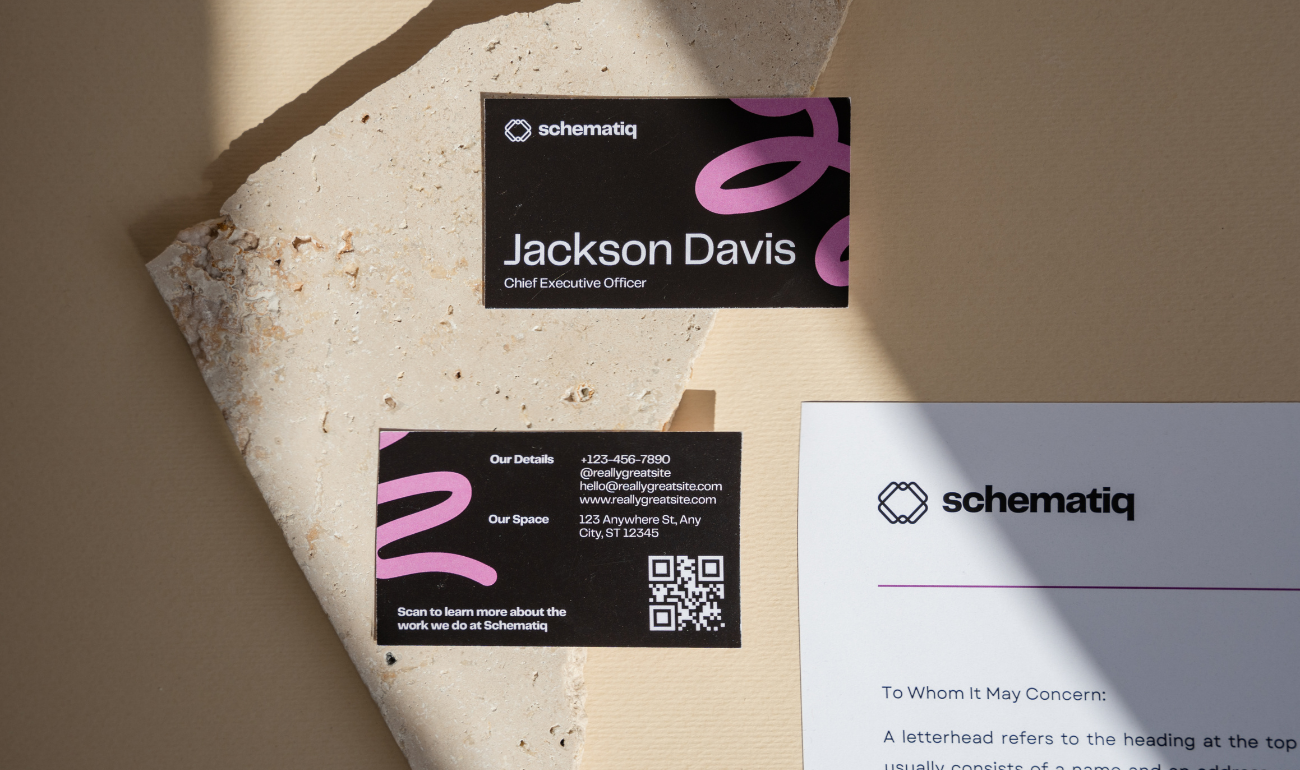
Before you need your logo in a proper file format, your brand colours as hex codes, your fonts, and a clear sense of the tone and personality you want your business to project. Brand identity is the blueprint your website is built from, every design element flows from it.
Without it, we're designing in the dark, guessing what feels right for your business. If you've ever looked at a website and instantly understood the brand, what they stand for, who they serve, whether they're premium or playful, corporate or creative, that's not an accident. It's an intentional design built on a clear brand identity.
What you need to bring:
- A logo file (SVG, PNG with transparent background, or PDF)
- Your hex colour codes
- Your font names
- 3 words that describe how you want your brand to feel
If your branding isn't finalised yet, that needs to come first, think of it as deciding the architectural style before decorating the house.
Read More: How To Identify Your Brand’s Personality For Impactful Marketing Results.
2. A Defined Target Audience and Website Goals.
Your website needs a defined target audience and goal because every design decision, layout, copy placement, calls to action, page structure, is driven by who the site is for and what it needs to do. Without these, the result is a website that looks fine but does nothing.
"Just make it look good" is one of the most common briefs we receive, and it's the fastest route to an expensive online brochure. Different goals call for completely different web page models:
- Portfolio websites: visual galleries, case studies, about page, simple contact form.
- E-commerce websites: product pages, filters, cart, checkout, payment integration, reviews.
- Service-based websites: service pages, testimonials, booking or enquiry forms, FAQs.
- Landing pages: single goal, strong headline, one CTA, minimal navigation.
- Blog or content sites: category structure, search function, email opt-in, related posts.
Knowing which of these fits your business, and what your primary goal is, shapes everything.
What you need to bring: A one-paragraph description of your ideal customer and the single most important action you want visitors to take. Everything else follows from that.
3. Your Content: Copy, Images, and Messaging.
You need draft copy for your main pages, homepage headline, about page, service or product descriptions, plus a folder of high-quality images, testimonials, and legal pages. Your website is a container for your content; the layout, spacing, and visual hierarchy are all built around what you're actually saying and showing.
When content is missing, we design around placeholder text, which changes the entire layout when your real copy arrives. Design and content are partners; when one is missing, the other suffers.
Content to have ready before we start:
- Homepage headline and subheadline: what you do and who it’s for.
- About page: your story, your values, what makes you different.
- Service or product descriptions.
- High-quality images: original photography is always best, but good stock images work.
- Testimonials or social proof.
- Legal pages: privacy policy, terms, cookie notice.
You don’t need everything written perfectly before we begin. But having a first draft of your core pages means we can design with real content, not placeholder text that changes the entire layout later.
What you need to bring: Draft copy for your main pages and a folder of images you want to use. If you need help with copywriting, that’s a conversation to have upfront, not mid-project.
Read More: How To Use AI For Your Website Design & Marketing.
4. Your Functional Requirements and Must-Have Features
You should decide on all must-have features, contact forms, e-commerce, booking tools, email integrations, client portals, before the build begins, because these requirements determine which platform your site should be built on and directly affect time and budget.
This is one of the most important decisions that gets left too late. Almost any website built on a modern CMS, WordPress, Webflow, Shopify, or Squarespace, supports these features, but in different ways. Discovering mid-project that you need functionality the chosen platform doesn't support natively can mean a costly rebuild.
Common website features to consider:
- Contact or booking forms.
- E-commerce and payment processing.
- Blog or resource section.
- Email marketing integration (Mailchimp, Klaviyo, ConvertKit).
- Appointment booking tools (Calendly, Acuity).
- Client portals or login areas.
- Social media feeds or video embedding.
- Live chat or chatbot functionality.
- Multilingual support.
Almost any website you find built on a modern CMS, either WordPress, Webflow, Shopify or Squarespace, supports these in different ways. Knowing your requirements upfront means we put you on the right platform from the start, rather than discovering halfway through that we need to rebuild.
What you need to bring: A list of every feature you need and any existing tools the site needs to connect with. The more specific, the better.
Read More: 7 Applications Of Interactive Design In Storytelling.
5. SEO and Analytics Foundations
Before going live, a website needs Google Analytics 4, Google Search Console, target keywords for each page, written page titles and meta descriptions, and a basic sitemap. SEO isn't something you attach after launch, it's integrated into the structure, content, and build from the very beginning.
The elements of a website that affect search visibility include page structure, heading hierarchy, URL slugs, image alt text, site speed, mobile responsiveness, and internal linking. These are decisions made during the build, not afterthoughts. A stunning website that ignores these foundations will struggle to be found, no matter how well it looks.
SEO and analytics to set up before or during your build:
- Google Analytics 4: to track who visits and what they do.
- Google Search Console: to monitor your search performance.
- Target keywords for each page: what do you want to rank for?
- Page titles and meta descriptions: written before launch, not after.
- A basic sitemap: so search engines can find and index your pages.
You don’t need to be an SEO expert. But having a rough idea of what your ideal clients are searching for means we can structure your site to support those goals from the very first page.
What you need to bring: A list of 5–10 search terms or keywords your ideal clients might type into Google to find a business like yours. That’s enough to start building smart.
Read More: Website and Branding Agencies Based In London.
FAQ
1. What do you need before designing a website?
Five things: a clear brand identity (logo, colours, fonts, tone), a defined target audience and primary website goal, your content including copy and images, a list of functional requirements and must-have features, and your SEO and analytics foundations. Bringing these to your first design conversation saves time, reduces revisions, and produces a website that actually converts.
2. Why does brand identity matter before website design starts?
Because every visual decision on your website, button styles, typography, image choices, colour use, flows from your brand identity. Without it, the designer is guessing. With it, every element reinforces who you are and builds instant recognition with the right audience.
3.What content should I prepare before working with a web designer?
Draft copy for your main pages (homepage headline, about page, services), high-quality images, testimonials or social proof, and legal pages (privacy policy, terms, cookie notice). Placeholder text changes the entire layout when real copy arrives, having even a rough first draft keeps the project on track.
4. What website features should I decide on before the build begins?
Any functionality the site needs to do: contact or booking forms, e-commerce and payment processing, email marketing integrations (Mailchimp, Klaviyo), appointment tools (Calendly, Acuity), client portals, or multilingual support. These requirements determine which platform your site should be built on, discovering them mid-project can mean a costly rebuild.
5. Does SEO need to be set up before a website launches?
Yes. SEO foundations, Google Analytics 4, Google Search Console, target keywords, page titles, meta descriptions, and a sitemap, need to be built into the site during the design and build phase, not added on afterwards. Page structure, URL slugs, heading hierarchy, and mobile responsiveness all affect search visibility and are decided during the build.
6. How long does a website project take when you come prepared?
When clients arrive with brand identity, content, functional requirements, and SEO basics in place, projects move significantly faster with fewer revision rounds. Without these foundations, projects typically stall mid-build while waiting for missing content or decisions, which is the most common cause of timelines running over.
Conclusion
Here’s the quick version of everything we’ve covered: your five web design non-negotiables:
- A clear brand identity: logo, colours, fonts, tone.
- A defined target audience and website goal.
- Your content: copy, images, and core messaging.
- Your functional requirements and must-have features.
- SEO and analytics foundations.
None of these is meant to feel like hoops to jump through. They’re the things that separate a website project that drags on for months from one that launches on time, on budget, and actually brings results.
The business owners who get the most from working with CHILD Creative Studio are the ones who come prepared. Not perfect, just prepared. You don’t need to have every answer. You just need to have thought about the right questions.
You can start with the first thing on the website design checklist - defining your brand identity. Download our free Creative Branding & Marketing guide for small businesses to get everything you need to define your brand identity.
Or if you can get started with us here, or book a free discovery call at: hello@childcreativestudo.com and let’s talk about your website.














.png)



.png)

.png)




.png)

.png)