.png)
AI has clear advantages in visual branding: speed, volume, and cost efficiency. But over-reliance on it carries risks that significantly outweigh those advantages: a loss of the authentic human personality that makes brands genuinely memorable, a sense of artificiality that audiences increasingly detect and distrust, and a dilution of brand identity that erodes the consumer loyalty it takes years to build. This piece makes the case for why brands should use AI as a tool in their creative process rather than a replacement for human creative direction, and why, in a market where authenticity is a competitive differentiator, the brands that invest in human creativity will consistently outperform the ones that optimise for efficiency.
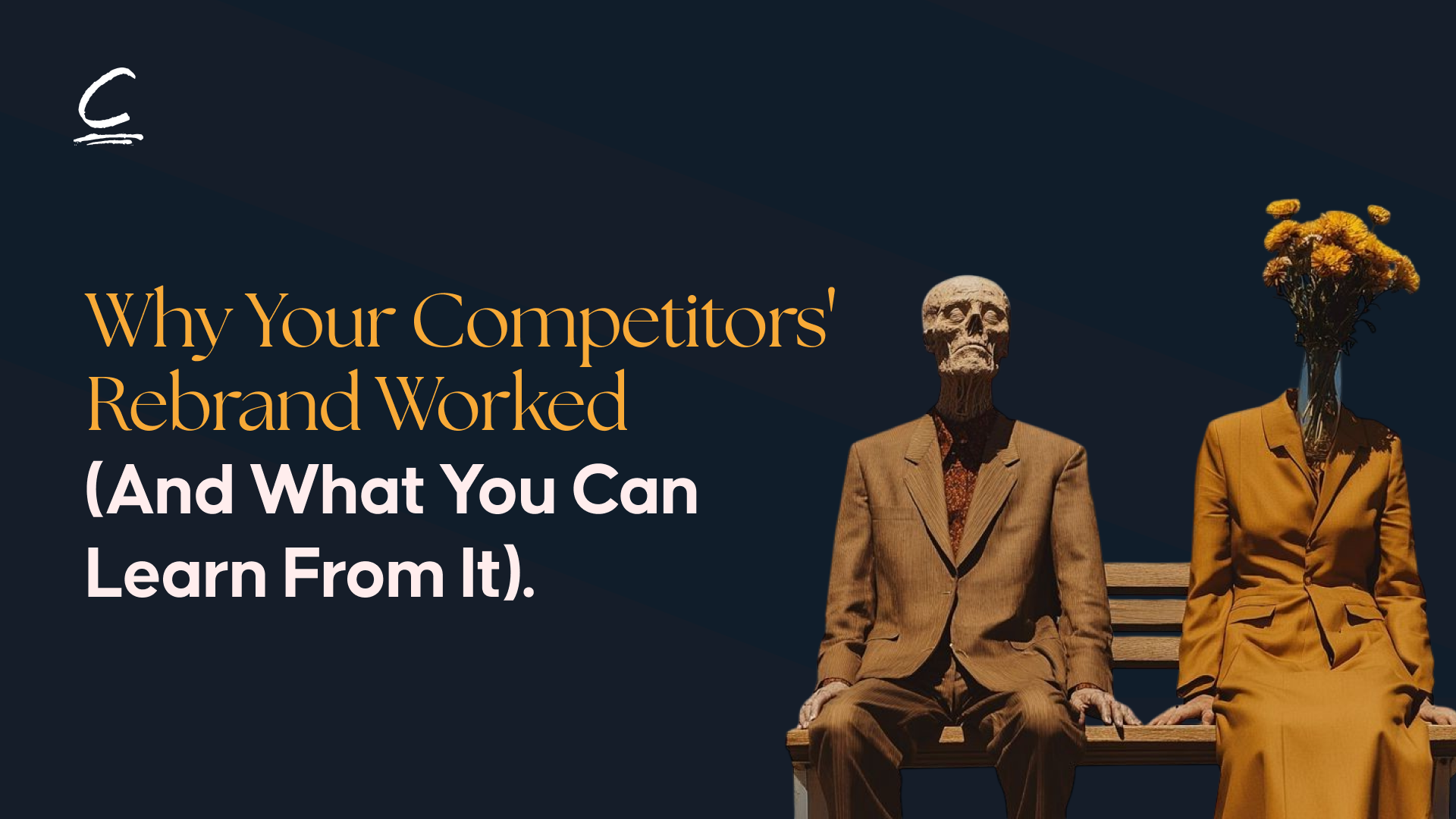
"6 fingers. Soulless stare. Telegraphic messages. Snatched art. A disfigured face."
Is this what you want to run an ad campaign on?
The Appeal of AI in Visual Branding, and Its Hidden Cost
Artificial intelligence has an irresistible appeal in visual branding. The capacity to produce remarkable images at previously unheard-of speeds has enthralled marketers across the globe. It can generate many designs in a fraction of the time a human designer would require.
But there is a price for this efficiency. AI-generated content frequently lacks the distinctive personality and personal touch necessary to establish a brand as genuinely memorable. It can come across as mass-produced, generic, and without the distinctiveness that separates brands from their competitors.
Why AI-Generated Visuals Feel Artificial, and Why Audiences Notice
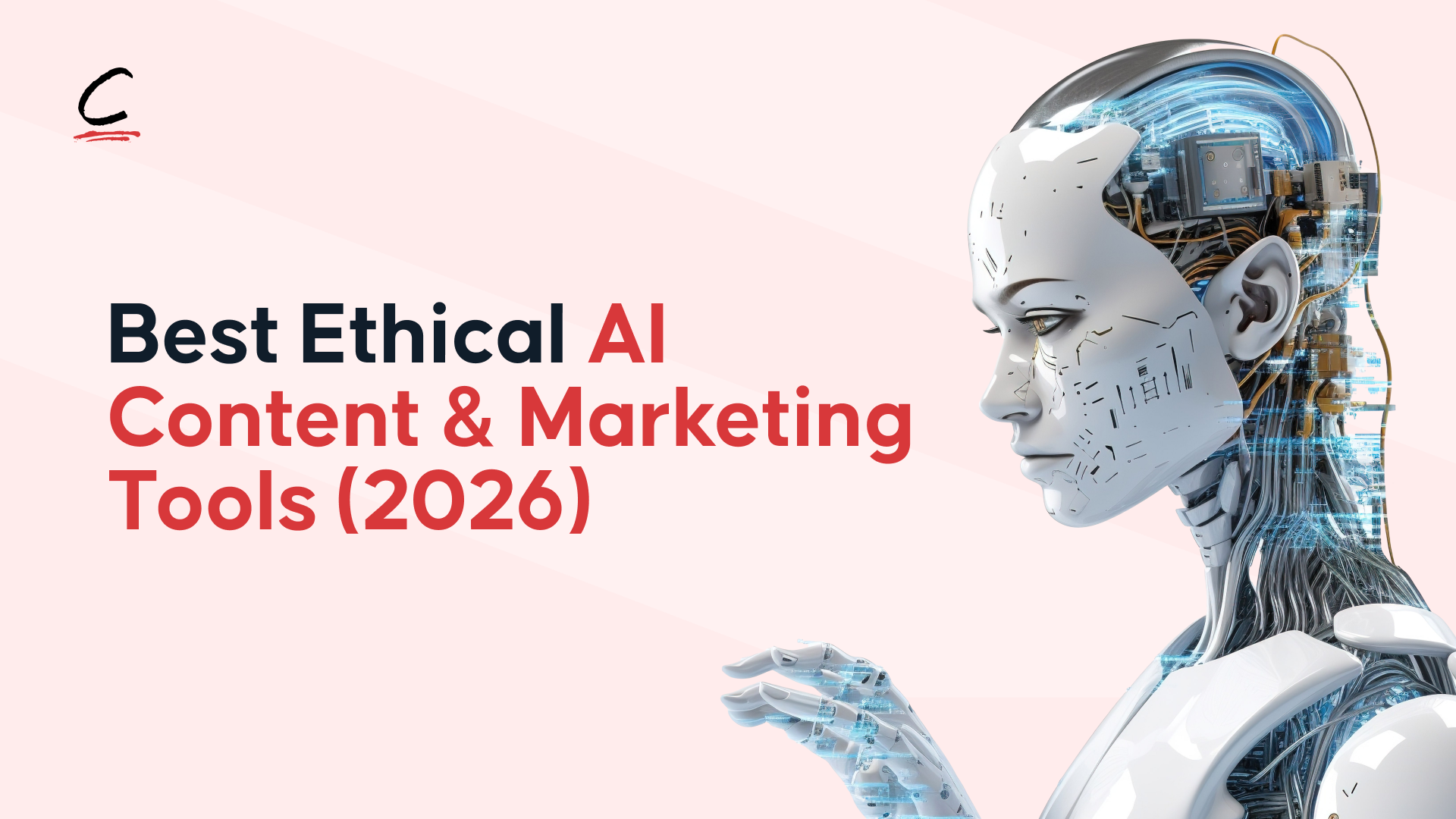
AI systems have difficulty simulating the finer details of human expression and emotion, even when trained on enormous quantities of human images. The result is content that frequently feels fake, and audiences, who consume visual content constantly, are increasingly sensitive to that quality.
This is not a minor aesthetic concern. A concept in robotics known as the "uncanny valley phenomenon" describes the uneasiness humans feel when they interact with nearly human-like but not-quite-human entities. The same principle applies to AI-generated visual content. When images are too similar to human-made art but remain distinctly different from it, they cause discomfort, sometimes even repulsion. Viewers disengage. The visual fails its primary purpose.
How AI Over-Reliance Damages Brand Trust
When consumers learn that an algorithm, not a human designer, created the images representing a brand, doubt follows. The implicit message is: "I do it cheaply, without effort." That perception undermines the legitimacy and integrity of the brand behind the images.
The downstream effects are significant: a decline in loyalty and trust, harm to brand reputation, and a perception of mediocrity that is difficult to reverse. In a market where consumers are becoming increasingly discriminating and expect exceptional, one-of-a-kind experiences, AI-generated content cannot match the depth and variety that human creativity delivers.
What Human Creativity Does That AI Cannot
Consider Jacquemus, whose campaigns produce visuals that feel grand, expensive, and unmistakably intentional. That quality clicks with the human subconscious to signal value and authenticity. It attends to the details, the kind of hypnotic, considered visual language that communicates effort and care. That is consequential to his brand's standing and commercial results.
The artistry of human imperfections is itself valuable. The unpredictability of the human creative mind, the ability to synthesise cultural context, emotion, lived experience, and visual instinct into something genuinely new, is exactly what the datasets AI learns from cannot replicate. Humans evolve. The data AI relies on can be debunked by the one thing AI cannot model: what comes next.
People will pay a premium for human creative effort applied to their brand. That premium is not just about aesthetics, it's about the trust and authenticity that human creative work signals in a market increasingly flooded with the generic.
The Right Relationship Between AI and Human Creativity in Visual Branding
The argument here is not that AI has no place in a brand's creative workflow. It's that AI should function as a tool in the hands of a human creative director, accelerating research, generating initial concepts to react to, and handling repetitive tasks, rather than as the primary source of visual brand identity.
Brands that depend too heavily on AI risk losing their consumer base and diluting the identity that took years to build. The goal is to leverage AI's efficiency while preserving the human creative potential that produces genuinely remarkable and impactful visual experiences. One amplifies the other. Neither replaces the other.
But what is all that efficiency without trust?
FAQ
What is the uncanny valley phenomenon in AI-generated visual content?
The uncanny valley is a concept from robotics describing the discomfort humans feel when something appears almost human but not quite. In visual branding, AI-generated images that closely resemble human-made art but retain subtle artificial qualities trigger the same unease, causing audiences to disengage rather than connect. This is why AI visuals that look impressive in isolation can still fail to generate the emotional response a brand needs.
Why does AI-generated content feel inauthentic to audiences?
Because AI systems are trained on patterns from existing human-made images and copy, not on genuine human experience, cultural context, or creative intent. The result is content that mirrors the surface qualities of human work without the underlying meaning. Audiences who consume visual content constantly develop sensitivity to this distinction, what reads as "off" in an AI visual is usually the absence of the intentionality and specificity that human creative direction provides.
Can brands use AI in visual branding without damaging trust?
Yes, when AI is used as a tool in the creative process rather than as the primary creative source. Using AI to generate initial concept variations, speed up research, or handle repetitive design tasks while keeping a human creative director in charge of brand direction, final decisions, and visual identity is a sustainable model. The trust risk comes from AI-generated content reaching audiences without meaningful human creative input or oversight.
What does over-reliance on AI in visual branding actually cost a brand?
Three things: authenticity (the distinctive personality and personal touch that makes a brand genuinely memorable), consumer trust (when audiences perceive a brand's visuals as mass-produced and effortless, they downgrade their perception of the brand's quality and integrity), and competitive differentiation (if every brand in a category is using AI-generated imagery, visual identity converges and the brand that invests in human creative direction immediately stands apart).
What do brands like Jacquemus do differently in visual branding?
They invest heavily in human creative direction that attends to the details, the specific visual language, considered framing, and intentional aesthetic choices that communicate effort, care, and authenticity. That quality signals value to audiences at a subconscious level, which directly influences brand perception and what consumers are willing to pay. It's the difference between visuals that impress and visuals that connect.
What is the right role for AI in a brand's creative process?
AI works best as a creative accelerant in the hands of a skilled human creative director, generating initial options to react to, speeding up research and reference gathering, and handling repetitive production tasks. It should not be the source of a brand's visual identity or the final decision-maker on creative direction. Human creativity evolves, synthesises cultural context, and produces the unpredictability that makes visual branding memorable. AI, trained on what already exists, cannot produce what comes next.















.png)


.png)


.png)




.png)