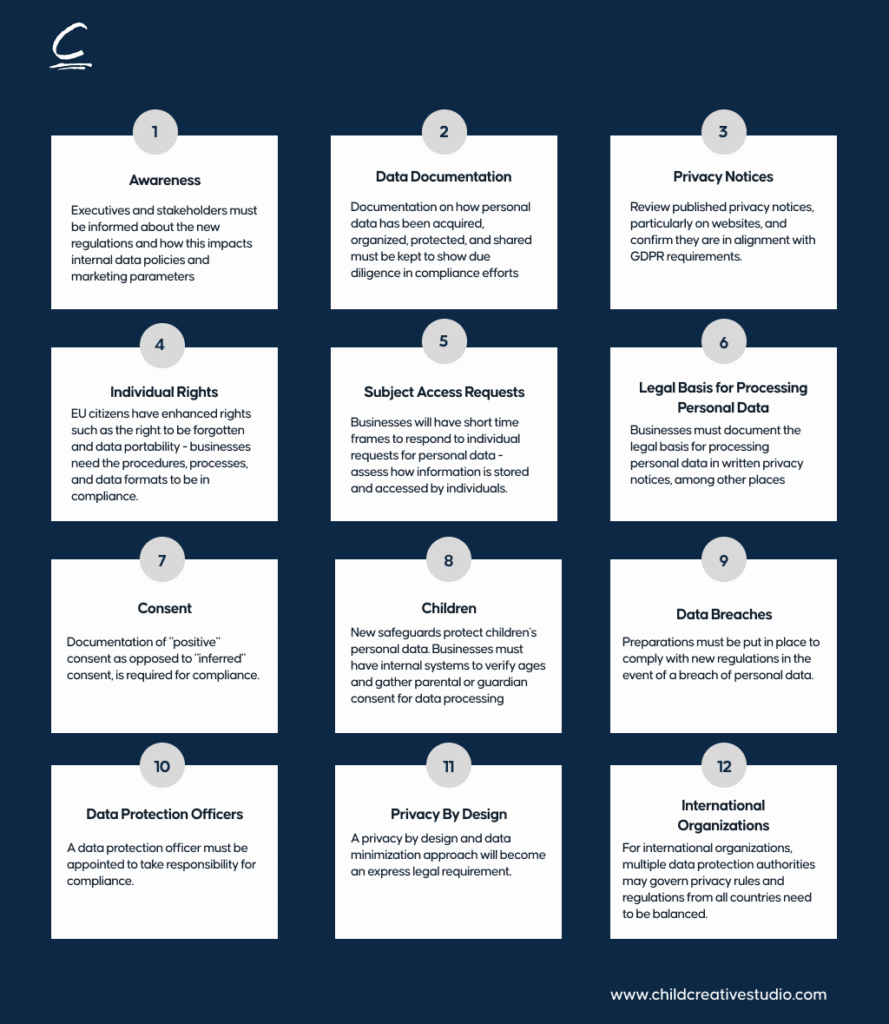
To be GDPR-compliant as a UK small business, you need to integrate data protection into four areas: your website design (a clear privacy policy, a compliant cookie consent mechanism, secure data collection forms, and user rights mechanisms), your marketing practices (lawful basis for all data processing, transparent communication, easy opt-out in every email, and due diligence with third-party tools), your visual and multimedia content (explicit consent for any identifiable individuals featured, correct licensing for imagery, and clear terms for user-generated content), and your wider brand positioning (treating compliance as a trust signal, not just a legal obligation). This article covers each area in practical detail, including the specific design and marketing elements the ICO expects, and how compliance actively builds the customer loyalty that UK SMEs need for sustainable growth in 2026.
For UK-based small businesses, navigating data privacy is paramount. GDPR compliance is not merely a legal obligation, it's a fundamental requirement for building and maintaining customer trust. In 2026, demonstrating a clear commitment to UK data protection through compliant website design and ethical marketing practices is a key differentiator that helps brands stand out.
What does GDPR mean for UK businesses?
Your website is the digital face of your business, and its design plays a crucial role in signalling trustworthiness. In the UK, compliance needs to be integrated into the design process from the outset, rather than being an afterthought.
Key elements of a GDPR compliant website design include:
- Clear and Accessible Privacy Policy: A comprehensive, easy-to-understand website privacy policy is non-negotiable. It must clearly explain what data is collected, how it's used, why it's collected, how long it's kept, and how users can exercise their rights (access, rectification, and deletion of their data). This policy needs to be easily findable from every page, typically linked in the footer.
- Robust Cookie Consent Mechanism: The "cookie banner" is a familiar sight, but effective cookie consent requires more than just a banner. Users must be given clear options to accept or reject non-essential cookies, with granular controls allowing them to choose which types of cookies they consent to. Pre-checked boxes are not compliant. The system must also remember user preferences.
- Secure Data Collection Forms: Any forms collecting personal data (contact forms, newsletter sign-ups, checkout pages) must be secure (using HTTPS) and include clear notices about data usage, linking directly to the privacy policy. Consent for specific uses (like marketing emails) must be opt-in and clearly separate from simply submitting the form.
- User Rights Mechanisms: The website design should facilitate users exercising their GDPR rights, perhaps through a dedicated privacy dashboard or clear instructions on how to submit requests regarding their data.
Integrating these compliant design features may seem technical, but it's a vital step in creating a unique visual identity that communicates integrity. It shows customers you respect their privacy, which is a powerful trust signal. For a startup seeking guidance on how to build a brand identity in the UK, weaving compliance into the core design reflects maturity and responsibility from day one.
Read more: The UK ICO (Information Commissioner's Office) website section on cookies.
How do you make marketing practices GDPR-compliant?
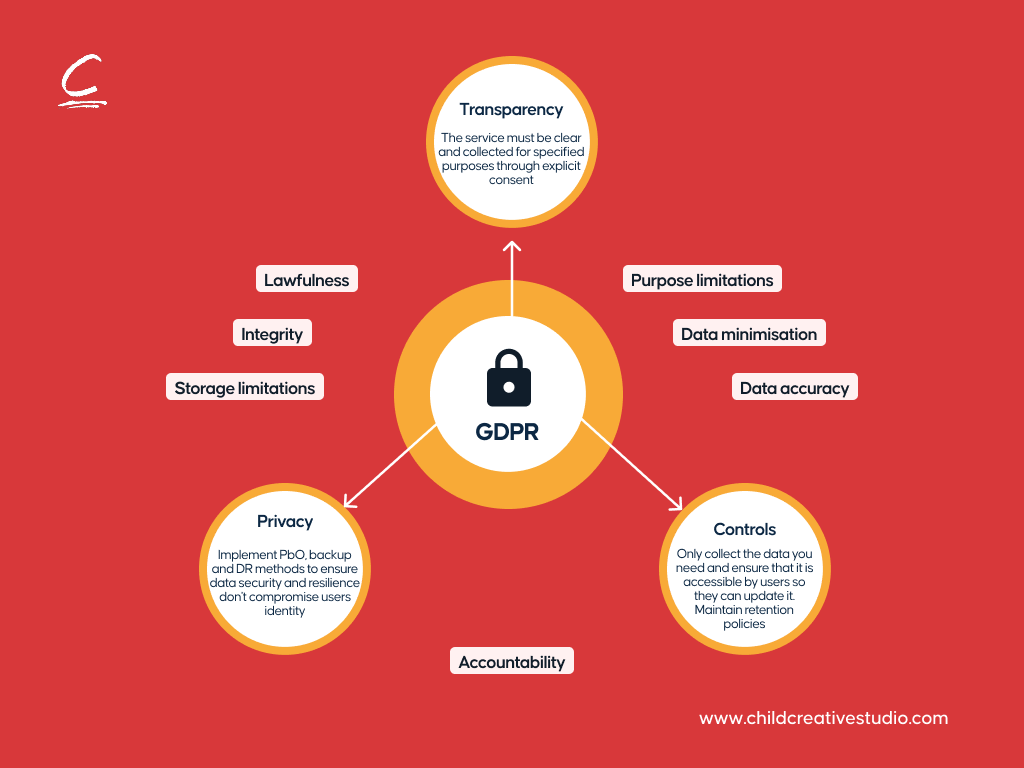
GDPR-compliant marketing requires four things: a lawful basis for every data processing activity (for most UK marketing emails, this means explicit opt-in consent), transparent communication about how customer data drives your marketing, a clear and easy opt-out in every marketing communication, and due diligence on every third-party tool you use.
- Lawful basis for processing: all marketing activities involving personal data must have a lawful basis, consent, contractual necessity, or legitimate interest. For most marketing emails in the UK, clear opt-in consent is required.
- Transparent communication: be upfront about how customer data shapes your marketing. Your brand storytelling should weave in the narrative of how you use data responsibly to provide value, not for intrusive targeting.
- Easy opt-out: every marketing communication must include a clear, easy way for recipients to withdraw consent or unsubscribe. This isn't optional.
- Third-party due diligence: if you use external marketing tools, analytics platforms, or advertising networks, you are responsible for ensuring they are also GDPR-compliant. Careful vetting of technology partners is a legal obligation, not just good practice.
What are the GDPR requirements for visual and multimedia content?
GDPR requirements for visual and multimedia content centre on three areas: obtaining explicit consent from any identifiable individuals featured in photos or videos, ensuring correct licensing for stock imagery (checking that licences cover your intended use under privacy law), and having clear terms for user-generated content that confirm the submitter has all necessary rights and consents.
If you use photos or videos featuring identifiable individuals, for testimonials, case studies, or marketing materials, you generally need their explicit consent for each specific use. This needs to be managed carefully, whether you're producing content in-house or working with a creative agency or multimedia production studio. "Identifiable" doesn't require a clear face, a distinctive appearance, name, or context can make someone identifiable.
How can GDPR compliance become a competitive advantage for UK SMEs?
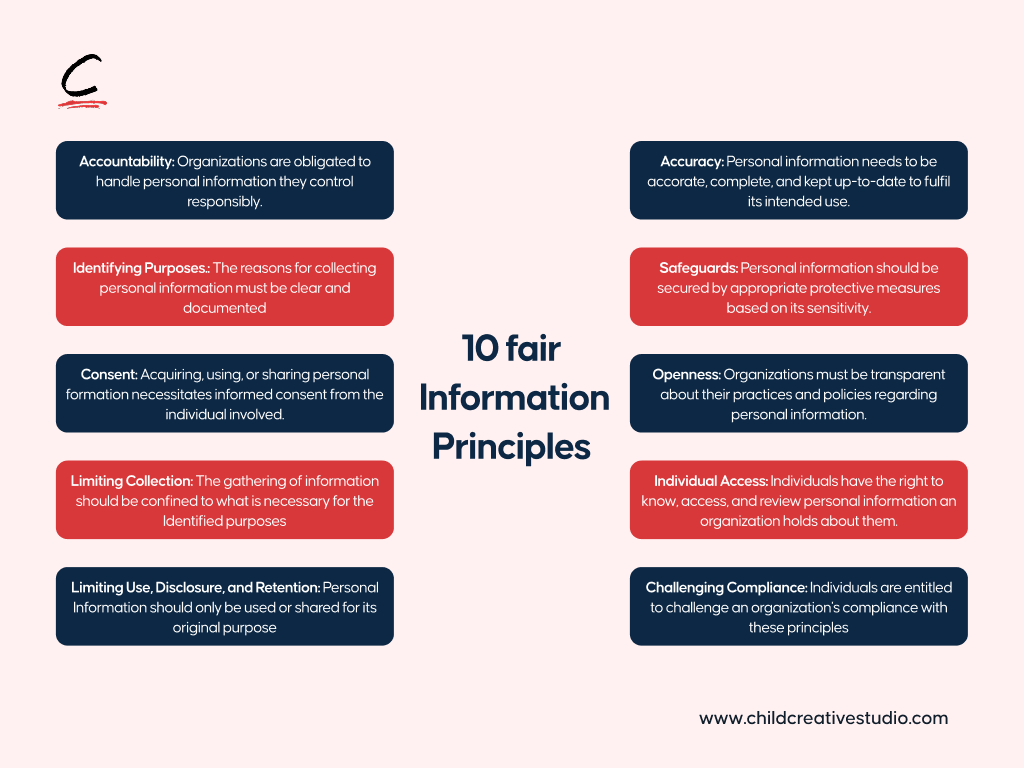
GDPR compliance becomes a competitive advantage when businesses treat it as a trust-building strategy rather than just a legal obligation, because customers are increasingly aware of their data rights and are more likely to engage with brands they perceive as genuinely responsible custodians of their information.
Research consistently shows that transparency about data usage has a positive impact on customer loyalty. For UK startups and SMEs working to build brand recognition, being known as a brand that genuinely respects privacy is a strong positive differentiator. It helps attract conscious customers, supports premium positioning, and reduces the risk of the reputational damage that a data breach or compliance failure can cause, which for an SME can be far harder to recover from than for a large corporation.
When looking into a creative agency selection process, include questions about their approach to data privacy and compliance in design and marketing. Partnering with a studio that understands UK data protection means your brand's story is not only compelling but also built on a foundation of trust.
FAQs: GDPR, Trust, and Your Business
Here are some frequently asked questions about GDPR, trust, and digital practices for UK businesses:
- Does Brexit mean GDPR no longer applies to UK businesses? No. The UK has incorporated GDPR into its law as "UK GDPR." While there are some minor differences, the core principles and obligations remain very similar. UK businesses dealing with EU citizens must still comply with EU GDPR.
- What are the biggest GDPR risks for a UK SME website? Lack of a clear privacy policy, non-compliant cookie banners, collecting excessive data, and failing to get proper consent for marketing are common pitfalls.
- How can I make my cookie consent banner compliant? It must allow users to accept or reject non-essential cookies, provide granular control over cookie types, not use pre-checked boxes, and clearly explain what the cookies do.
- Is using customer data for social media targeting compliant with data regulations? It can be, but you need a lawful basis (often consent) and must be transparent in your privacy policy. Customers must also be able to object to this processing.
- How can a branding agency help with GDPR compliance? A good UK branding agency for SMEs will ensure privacy links are prominent, consent mechanisms align with your brand's look and feel (while being legally sound), and help craft brand messaging that reflects your commitment to data protection as part of your value proposition.
Building the Future on a Foundation of Trust
In 2025, success for UK businesses digitally hinges on building and maintaining customer trust. GDPR compliance is not just a legal requirement; it's a strategic opportunity. By investing in GDPR compliant website design, adopting ethical marketing practices, and handling multimedia content responsibly, businesses can demonstrate their commitment to data protection. This builds credibility, enhances brand reputation, and builds the loyalty needed for sustainable growth.
Partnering with Child Creative Production Studio, using our unique creative style and a strong understanding of compliance, ensures that your brand's story is not only compelling but also built on an unshakeable foundation of trust.




















.png)






.png)


.png)






.png)

.png)