To create immersive brand experiences, you need three tool categories working together: a digital canvas (CGI and 3D modelling tools like Blender or Autodesk Maya to build the visual building blocks), an engine (VR development platforms like Unity or Unreal Engine to bring those assets to life interactively), and a storyteller (interactive storytelling platforms like Ceros or Shorthand to make audiences active participants in the narrative). This article breaks down how each category works, the specific tools within each, and how to choose the right combination based on your budget, skill level, and brand goals.
Scrolling through your feed costs nothing, and forgetting is effortless. But the brands you remember? They didn't just show you an ad, they pulled you into an experience. That is the power of immersive design: transforming your audience from passive viewers into active participants.
The old model of passive content is fading, replaced by a demand for meaningful experiences that truly engage. And the good news? You don't need a Hollywood budget to create it. With the right tools, your brand can deliver experiences that stick.
What are the three tool categories every immersive brand experience needs?
Creating immersive brand experiences is not a single nor complex action, but a strategic combination of three core tool categories. Together, they form a simple but powerful channel for creating content that resonates.
Here are 3 must-have tools to make it happen:
Tool 1: The Digital Canvas – CGI & 3D Modelling

CGI and 3D modelling tools are the digital sculpting studio for immersive experiences, they allow you to design, model, and texture every object, character, and environment in your virtual space, creating the visual building blocks that everything else is built from. Before you can build an immersive world, you have to create its contents.
Two tools to know:
Blender is a free, open-source platform offering a wide range of tools for modelling, animation, and rendering, supported by one of the strongest creative communities in the industry. It's the ideal starting point for brands and creators new to 3D.
Autodesk Maya is industry-standard software for creating the complex visuals seen in major films and games, the go-to for teams seeking professional-grade results.
Why it works for brands:
- Builds visual experiences that feel real and immersive
- Allows for endless creative possibilities without physical limitations
- Perfect for product-based businesses that want to showcase prototypes or unique designs in photorealistic detail
Read More: 3 Free CGI Tools + Where To Learn(Beginner Friendly)
Tool 2: The Engine – Virtual Reality Platforms

VR development platforms are the engine of an immersive experience; they handle the physics, lighting, and user interactions that make an environment feel real and responsive. Once your digital assets are created, you need a VR or game engine to bring them to life and make them interactive.
Two industry leaders:
Unity is highly versatile and beginner-friendly, suitable for everything from educational VR simulations to brand-focused interactive apps. It's known for its extensive asset store and large developer community, making it the most accessible starting point for brands building their first interactive experience.
Unreal Engine is a powerhouse recognised for cinematic quality and photorealistic visuals. Used for high-end experiences and architectural visualisation, it offers advanced features for brands that need to push the boundaries of visual quality, though it has a steeper learning curve than Unity.
Read More: Free AI Tools For Media Production In 2025
Tool 3: The Storyteller – Interactive Storytelling Platforms
Interactive storytelling platforms are no-code tools that allow brands and creators to build non-linear, choose-your-own-adventure style content without writing a single line of code, turning a static page into a guided journey where the audience becomes an active participant rather than a passive reader.
Immersion isn't just about visuals, it's about making the audience part of the narrative. Tools like Ceros and Shorthand let you weave stories by linking interactive elements, creating dynamic scroll-based narratives, and integrating rich media. They're ideal for marketers and content creators who want to quickly create engaging experiences without a dedicated development team.
Read More: 7 Applications of Interactive Design In Storytelling
How To Choose the Right Immersive Tool for Your Brand
Choose your immersive tools by evaluating three factors: your budget (free tools like Blender offer a low-cost entry point while enterprise-grade software demands significant investment), your skill level or team capability (no-code platforms suit beginners while game engines require development experience), and your specific brand goal (a quick-to-market interactive story suits a campaign, while a fully-realised VR world fits a long-term product launch).
Consider these factors:
Budget: Are you a solo creator or a large enterprise? Free and open-source options like Blender offer a low-cost entry point, while enterprise-grade software can be a significant investment.
Skill Level: Do you have a dedicated development team, or are you a creative looking for a user-friendly solution? No-code platforms are great for beginners, while game engines have a steeper learning curve.
Brand Goals: What kind of experience are you trying to create? A quick-to-market interactive story may be best for a campaign, while a fully-realised VR world is more suited for a long-term product launch.
FAQ
What tools do you need to create immersive brand experiences?
Three categories: CGI and 3D modelling tools (Blender for free/accessible, Autodesk Maya for industry-standard) to build the visual assets; VR development platforms (Unity for versatility and ease, Unreal Engine for cinematic quality) to bring assets to life interactively; and interactive storytelling platforms (Ceros, Shorthand) to make audiences active participants without requiring code. The right combination depends on your budget, team capability, and the type of experience you're creating.
Is Blender good enough for professional brand projects?
Yes, Blender is free and open-source but used professionally by studios, independent creators, and brand teams worldwide. It covers modelling, animation, rendering, and compositing. For most brand projects outside of major film or game production, Blender offers more than sufficient capability. The community support and tutorial library also make it the strongest starting point for teams new to 3D.
What is the difference between Unity and Unreal Engine for brand experiences?
Unity is more beginner-friendly, more widely used across brand and educational applications, and has a larger asset store for sourcing ready-made elements. Unreal Engine produces more photorealistic visuals and is preferred for high-end architectural visualisation and cinematic experiences, but has a steeper learning curve. For a brand building its first interactive or VR experience, Unity is typically the more practical starting point.
Do you need coding skills to create immersive brand content?
Not necessarily. Interactive storytelling platforms like Ceros and Shorthand are specifically designed for marketers and creators without development backgrounds, allowing you to build scroll-based narratives and interactive content without writing code. VR platforms like Unity do require some technical knowledge, but visual scripting tools within Unity reduce the barrier significantly for non-developers.
How much does it cost to create an immersive brand experience?
Costs range widely depending on complexity and tooling. Social-media-based interactive filters can be produced for a few hundred pounds. A custom interactive storytelling campaign using platforms like Ceros or Shorthand typically ranges from a few thousand to tens of thousands depending on scope. A full VR experience built in Unreal Engine for a product launch is a significant investment. Starting with free tools and no-code platforms is the most accessible way for smaller brands to build immersive experiences without enterprise budgets.
What type of brand is immersive design most suited to?
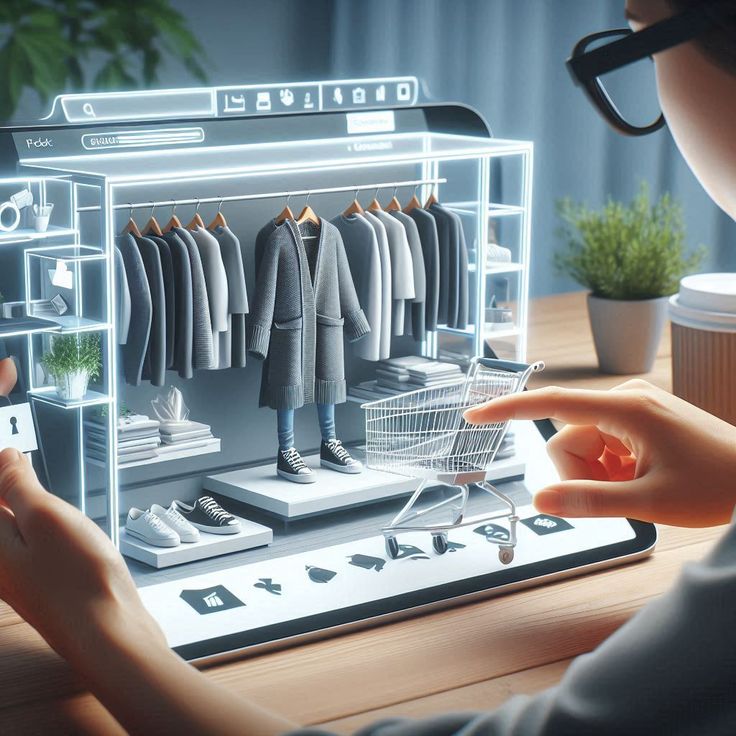
Any brand competing for attention in a crowded digital space benefits from immersive design. Product-based businesses can use 3D and AR for virtual try-ons and interactive showcases. Purpose-driven brands can use interactive storytelling to bring their mission to life. Lifestyle, creative, and retail brands use experiential VR and AR to create shareable moments that generate organic reach. The format should serve the story, not the other way around.
Immersive design is the future of digital engagement. By mastering these three tool categories - 3D content creation, VR platforms, and interactive storytelling - you can create experiences that go beyond the screen and forge deeper connections with your audience.
Ready to start building? Start your project with us here or send us a DM at: hello@childcreativestudio.com for a deeper dive into the right creative strategy and approach for your brand!













.png)

.png)


.png)




.png)

.png)