
Best Ethical AI Content & Marketing Tools (2026)
What if the AI tools increasing your content output are also destroying your brand’s credibility? As we move into 2026, consumers are getting keen about detecting AI-generated content, and they’re not impressed by brands that prioritise speed over integrity.
Over 73% of marketers now use AI tools for content creation, but some consumers say they’ve lost trust in brands caught using AI deceptively. The bone of contention has shifted from ‘should we use AI’, it’s now ‘how do we use AI ethically while staying competitive’.
This article reveals the best ethical AI tools for content creation and marketing automation in 2026, along with proven guidelines for using them responsibly.
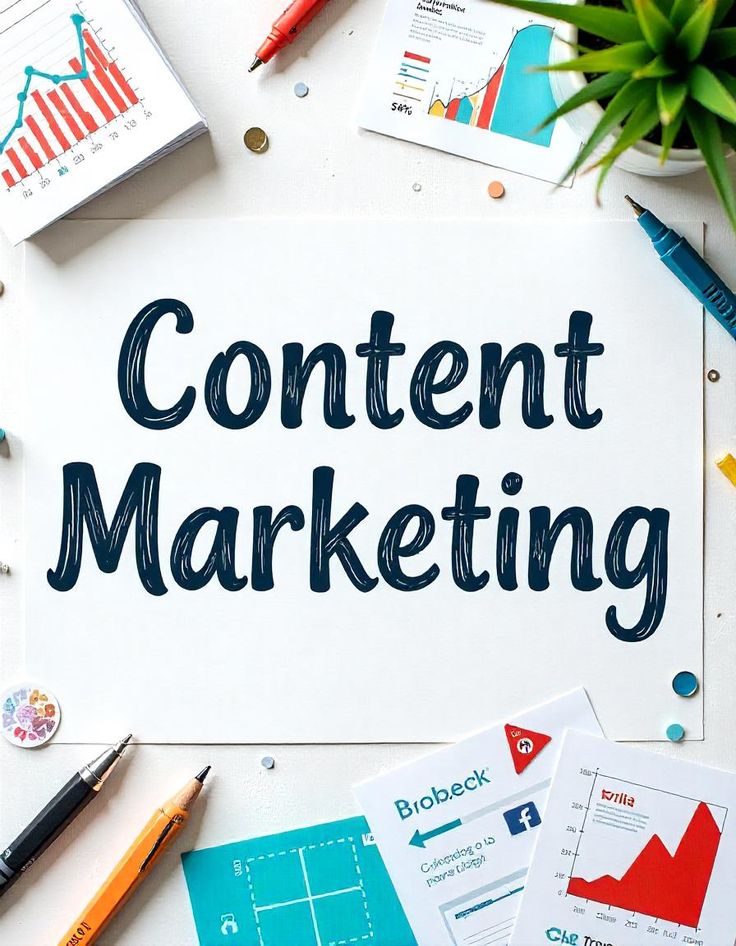
Why Ethics Matters for Content Creation, Marketing, and Automation in 2026
The AI gold rush of 2023-2024 left consequences that brands are still navigating. From copyright lawsuits to viral exposés of plagiarised content, the industry learned a painful lesson: cutting corners with AI can also create liabilities, not just advantages.
The EU’s AI Act is now in effect, California’s privacy laws have expanded, and search engines penalise low-quality AI content lacking originality. Companies caught violating copyright or privacy standards face fines reaching millions of dollars.
But brands embracing ethical AI tools are getting remarkable results, building deeper audience trust, avoiding legal complications, and creating content that actually resonates. Ethical AI isn’t just about risk mitigation; it’s becoming a competitive differentiator that conscious consumers actively seek out and engage.
What the Ethical Use of AI Means: Understanding Ethical AI in Marketing
The Five Pillars of Ethical AI
1. Transparency and Disclosure
Ethical AI tools clearly communicate when and how artificial intelligence contributes to content creation. This means disclosing AI involvement to audiences when appropriate and avoiding deceptive practices.
2. Data Privacy and Consent
Responsible platforms prioritise user data protection through strong encryption, minimal data collection, explicit consent mechanisms, and full compliance with regulations like GDPR and CCPA.
3. Bias Prevention and Fairness
Ethical AI systems actively identify and eliminate discriminatory outputs through testing across demographics, diverse training datasets, fairness audits, and maintaining human oversight.
4. Copyright and Intellectual Property Respect
Ethical tools respect creators’ rights by training only on licensed or public domain content, providing attribution when appropriate, and including plagiarism detection features.
5. Human Oversight and Accountability
The most important part: keeping humans in the decision-making loop. Ethical AI is meant to augment human creativity rather than replace it entirely.
Why Ethical AI Tools Are Changing the Future of Content Creation
Consumer Awareness Has Increased
Today’s audiences can spot generic AI content easily. Brands using ethical AI tools that prioritise originality and human collaboration create content that stands out in oversaturated markets.
Search Engines Are Rewarding Quality Over Quantity
Google’s algorithm updates penalise low-quality content regardless of how it’s created. Ethical AI tools emphasising originality and creative value align perfectly with these ranking signals.
Legal Landscape Is Forcing Accountability
With the EU AI Act, copyright lawsuits, and tightening privacy regulations, using unethical AI tools has shifted from questionable to potentially damaging to your credibility. Ethical platforms aren’t just morally sound, they’re business-smart.
The Current State of AI Content Creation
Use of AI in marketing has significantly increased from 29% in 2023 to over 73% in late 2025. The global AI in the marketing sector is expected to be at $107 billion by 2028. With this, it’s evident that AI in marketing isn’t a passing trend. It’s becoming a major team player in how content gets created.
Modern AI tools have transformed workflows: ideation happens in minutes, drafts are instantly created, optimisation is continuous, and repurposing has been made easier. What stands out is how successful creators use AI to handle repetitive tasks while reserving human energy for strategy, creativity, and authentic connection.
Perhaps the most significant change is how AI is quietly sneaking into marketing platforms. Rather than separate tools for each task, marketers work within integrated ecosystems where AI powers features invisibly, making ethical considerations more important than ever.
Read More:Our First Try At AR. Here’s What We Learned.
Ethical AI in Marketing Automation: What It Solves
Ethical AI marketing automation solves critical challenges:
The Personalisation Problem – Creating individual experiences at scale without creepy surveillance tactics, with transparency and user control over data.
The Quality vs. Quantity Dilemma – Maintaining quality standards through built-in checks, human review requirements, and originality verification.
The Attribution and Copyright Challenge – Maintaining clear audit trails, using licensed training data, and checking outputs against existing content to avoid plagiarism.
The Trust Gap – Rebuilding consumer trust through transparent communication about AI use and respecting privacy preferences consistently.
Top Ethical AI Tools for Content Creation in 2026
Best AI Tool for Creating Marketing Content
ChatGPT (OpenAI)
OpenAI’s conversational AI excels at brainstorming, drafting blog posts, creating social media content, and refining messaging.
Ethical Strengths: Clear disclosure policies, robust content filtering, regular safety updates, and custom GPTs with defined ethical guardrails.
Best For: Versatile content creation, quick ideation, conversational flexibility.
Pricing: Free tier; Plus at $20/month; Team and Enterprise options.
Claude (Anthropic)
Built with safety and ethics as core principles, Claude handles extended conversations, analyses lengthy documents, and provides thoughtful responses.
Ethical Strengths: Constitutional AI approach embedding ethical principles, exceptional transparency, strong stance against harmful content.
Best For: Long-form content, detailed analysis, and brands with stringent ethical standards.
Pricing: Free tier; Professional and Enterprise plans available.
Jasper AI
Purpose-built for marketing teams with brand voice controls and collaboration features.
Ethical Strengths: Built-in plagiarism detection, brand voice guardrails, team governance features, clear attribution.
Best For: Marketing teams, agencies, and campaign consistency.
Pricing: Starting at $39/month; Business and Enterprise tiers.
Free Ethical AI Tools for Content Creation and Marketing Automation
Grammarly
Comprehensive AI writing assistant with grammar checking, tone refinement, and plagiarism detection.
Ethical Strengths: Zero-knowledge encryption, explicit privacy promises, transparent suggestions, and plagiarism detection.
Best For: Editing, tone adjustment, ensuring originality.
Pricing: Robust free tier; Premium at $12/month.
Canva AI
Democratized design with ethical standards around licensing and attribution.
Ethical Strengths: Only uses licensed content, clear attribution options, and respects copyright.
Best For: Social media graphics, presentations, basic design.
Pricing: Free tier with AI features; Pro at $14.99/month.
Read more: 3 Free CGI Tools + Where To Learn(Rookie-Friendly)
AI Marketing Automation Platforms with Ethical Standards
Best Marketing Automation AI Tool
HubSpot Marketing Hub
Integrated AI throughout the platform for email optimisation, content creation, lead scoring, and customer journey mapping.
Ethical Strengths: GDPR compliance built in, transparent data usage, AI that augments human decisions, and clear opt-out controls.
Best For: Comprehensive inbound marketing, CRM integration, all-in-one solutions.
Pricing: Free tier; Starter at $45/month; Professional and Enterprise tiers.
Mailchimp
AI-powered send-time optimisation, content suggestions, and predictive analytics with transparent practices.
Ethical Strengths: Strong anti-spam policies, privacy-first approach, clear AI explanations, user control over automation.
Best For: Email marketing, small to medium businesses.
Pricing: Free tier for up to 500 contacts; premium plans based on subscribers.
Ethical AI Best Practices for 2026 (For Brands, Agencies, Creators)
For Brands
Establish Clear AI Governance – Create written policies defining when and how AI can be used. Designate oversight responsibilities and document decision-making processes.
Disclose AI Use Appropriately – Be transparent about the use of AI in privacy policies and disclose AI involvement when it materially affects content.
Invest in Human Insight – Never publish AI-generated content without human verification of accuracy, brand voice, potential bias, and copyright compliance.
For Agencies
Set Client Expectations Early – Be upfront about AI tool usage in your workflow. Clarify capabilities, explain quality control processes, and address concerns proactively.
Train Teams Continuously – Schedule regular training on new tools, share ethical case studies, and foster a culture where ethical questions are welcomed.
For Individual Creators
Use AI as a Starting Point, Not the Finish Line – Generate first drafts with AI, then infuse your unique perspective and voice. Add specific examples from your experience.
Build Your Personal Ethical Framework – Define boundaries around AI use based on your values and audience expectations. Revisit these decisions periodically.
Read More: 3 Tools You Need To Create Immersive Experiences
Challenges and Limitations of Ethical AI
Even with the best tools and intentions, ethical AI faces real challenges:
The Training Data Problem – Most AI models trained on massive datasets unavoidably include copyrighted material and biased content. Choose platforms actively working to improve practices.
The Ever-Changing Regulations – AI regulations evolve faster than businesses can adapt. Choose platforms with dedicated legal teams and build flexibility into your workflows.
Navigating AI Regulations and Compliance in 2026
The EU AI Act – Now fully in effect, categorising AI systems by risk level. Most marketing AI falls into “limited risk” requiring transparency disclosures.
US Privacy Laws Expanding – States like California, Colorado, and Virginia have specific provisions around automated decision-making. Comply with the strictest state regulations.
Copyright Considerations – Use AI tools that commit to defending users against copyright claims. Add substantial human creativity to AI-generated content and document your creative process.
Practical Compliance Steps – Conduct regular audits, maintain documentation, implement human review checkpoints, and stay informed about regulatory changes.
The future of content creation isn’t choosing between AI and ethics, it’s recognising that sustainable success requires both. The brands thriving in 2026 use ethical AI tools to amplify human creativity, not replace it.
ChatGPT, Claude, Jasper, HubSpot, and Mailchimp represent the gold standard for responsible AI implementation, proving that powerful AI and ethical practices aren’t mutually exclusive.
But tools alone don’t create ethical outcomes. Your framework matters: establish governance, maintain transparency, invest in human oversight, and stay informed about regulations.
In a world saturated with AI-generated content, authenticity becomes the ultimate differentiator. Ethical AI tools, used thoughtfully, help you create more content without sacrificing the genuine human insight that makes content worth consuming.
Your next step: Choose one ethical AI tool from this guide. Implement it using the best practices framework. Measure not just efficiency gains, but audience response and your comfort level with the ethics of your approach.
The AI revolution is here. The question is whether you’ll navigate it reactively or proactively, building a sustainable approach that serves your audience, protects your brand, and aligns with your values.
What ethical AI tools are you currently using? Share your experiences and questions in the comments.
At Child Creative Studio, we help brands cut through the noise and build ethical, effective content strategies that leverage AI without losing the human touch. From strategy development to hands-on implementation, we’re your partners in navigating this new landscape.
Let’s talk about your content goals. Send us a message at hello@childcreativestudio.com

Leave a Reply